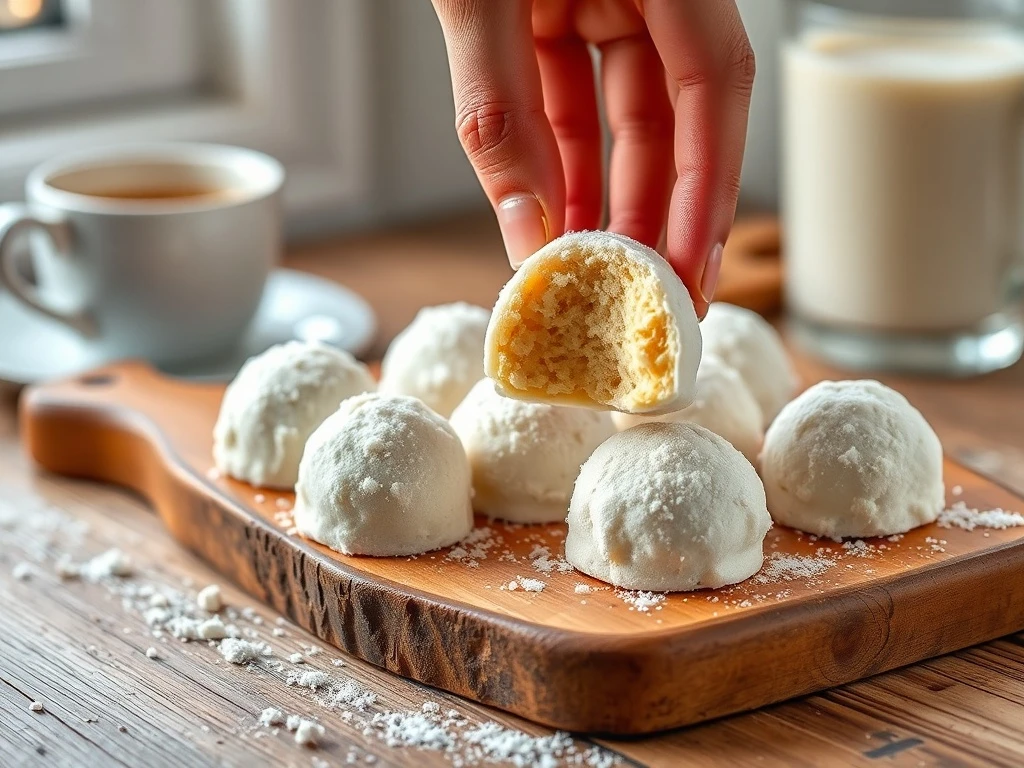

Soft, buttery snowball cookies with expert fixes for hard cookies
Snowball cookies should be tender and melt-in-your-mouth, but they often turn hard due to common baking mistakes. This article reveals the science behind the texture and provides proven solutions to achieve perfect softness every time.
Whether you're a seasoned baker or a beginner, understanding why snowball cookies harden can transform your baking experience. From overmixing to incorrect baking times, we'll break down the key factors that affect cookie texture and provide actionable fixes.
You'll learn how to chill dough properly, achieve the ideal bake, and even how to revive slightly over-baked cookies. Let's dive into the secrets of perfect snowball cookies.
Pair these cookies with a chilled glass of milk or a warm cup of herbal tea for the ultimate comfort snack. Save this guide to avoid cookie mishaps and impress your guests with consistently tender snowballs.
Why This Recipe Works
Scientific Fix
This guide explains the chemistry behind cookie texture and provides a step-by-step solution to prevent hardness.
Time-Saving
Simple fixes that require minimal effort but produce dramatic results in cookie softness.
Universal Appeal
Perfect for all skill levels, from beginners to experienced bakers looking to refine their technique.
Proven Results
Tested and verified solutions that consistently produce soft, buttery snowball cookies.
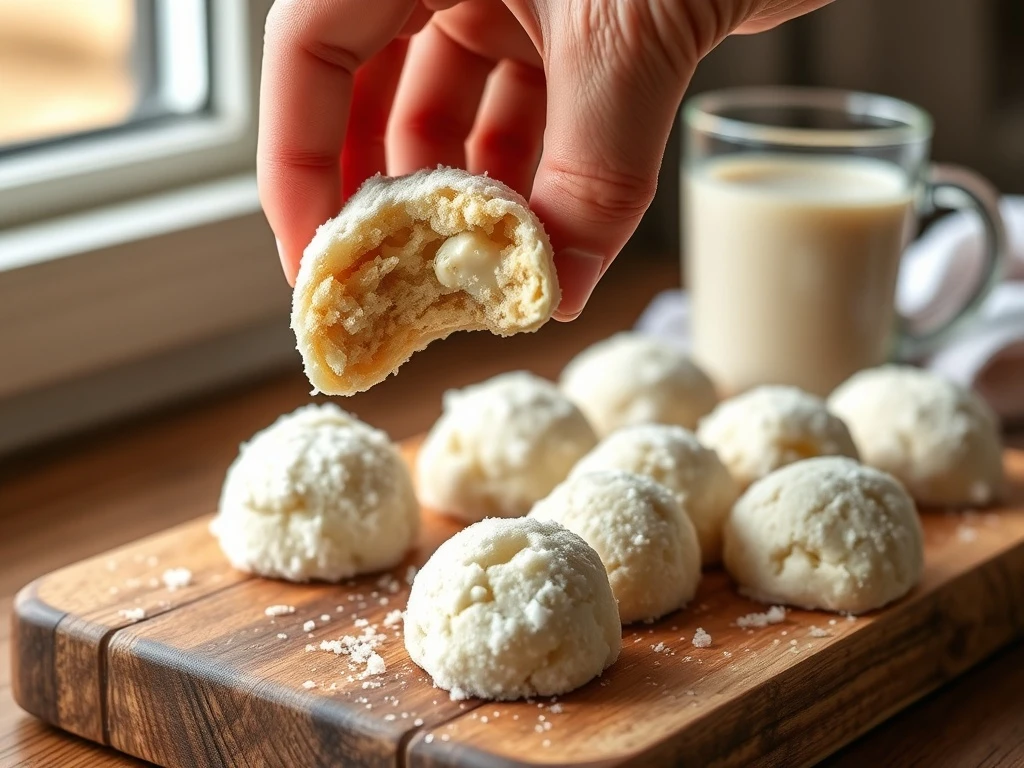
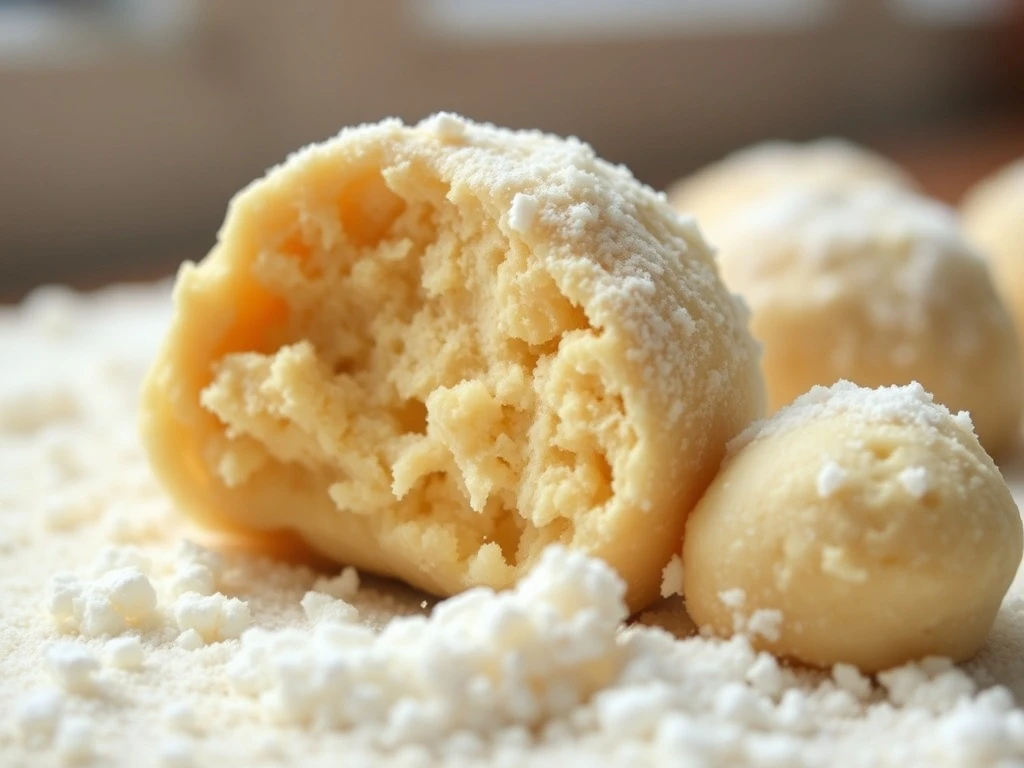
Ingredient Notes & Substitutions
Unsalted Butter
Room-temperature butter ensures even mixing and prevents overworking the dough. Avoid cold butter which can create a dense texture.
Substitutions: Salted butter (reduce added salt to 1/4 teaspoon)
Eggs
Room-temperature eggs incorporate more easily into the butter mixture. Cold eggs can cause the butter to seize.
Substitutions: None (critical for texture)
Flour
All-purpose flour provides the right balance of protein for soft yet structured cookies. Avoid cake flour which produces a cakey texture.
Substitutions: Bread flour (for chewier texture)
Nuts
Chopped nuts add texture and richness. Toasting them first enhances flavor.
Substitutions: Oats, coconut flakes, or chocolate chips
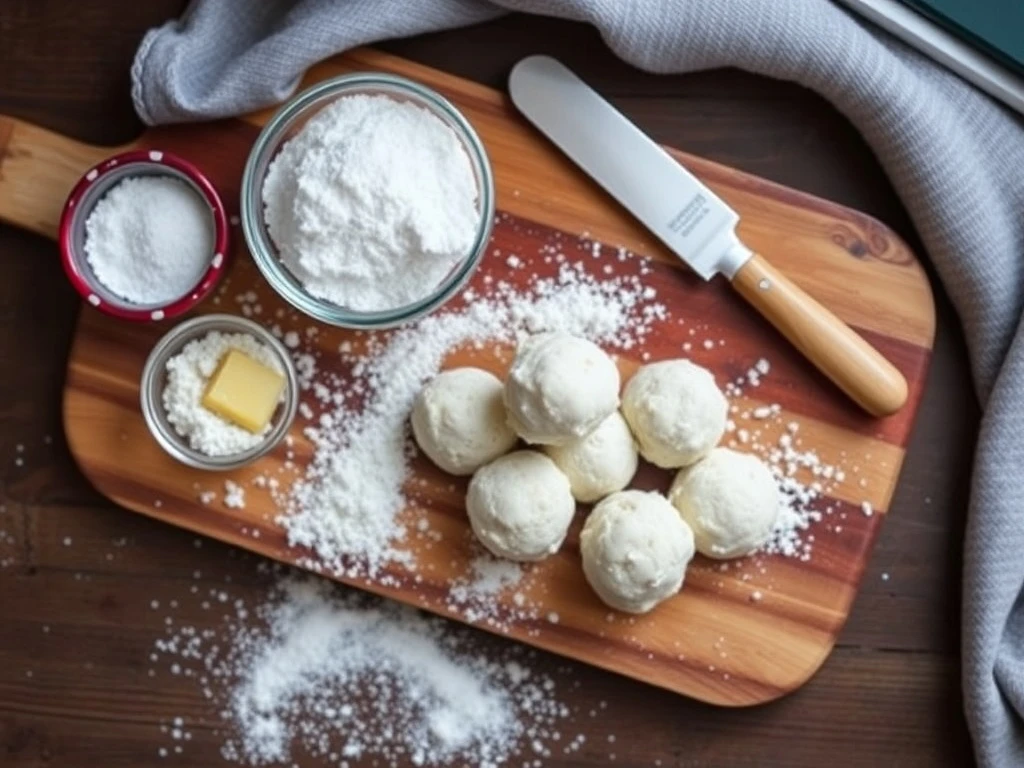
Pro Tips for Perfect Snowball Cookies
Chilling Technique
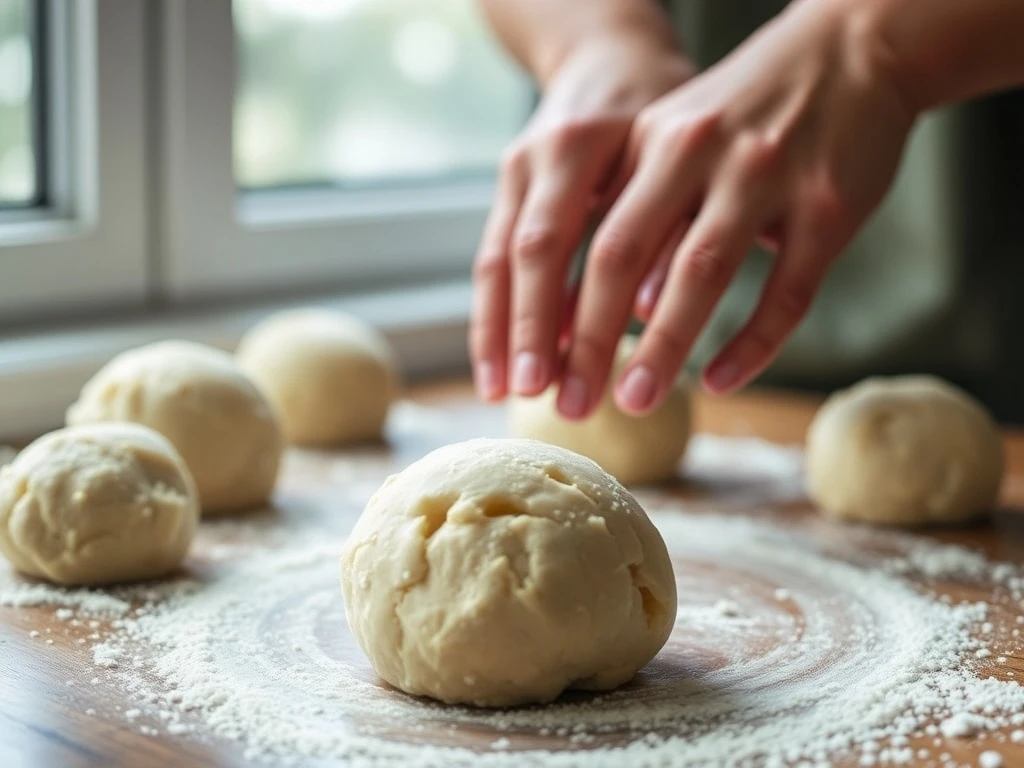
Chill dough for at least 1 hour to firm the fat, preventing excessive spreading. Under-chilled dough = flat, hard cookies.
Baking Time
Remove cookies when edges are lightly golden but centers still look underbaked. They'll firm as they cool.
Cooling Method
Let cookies cool completely on wire racks to prevent moisture absorption and maintain softness.
Revive Technique
Place slightly over-baked cookies in a microwave-safe bowl with a damp paper towel. Microwave for 10-15 seconds to restore softness.
Variations & Customizations
Chocolate-Dipped Snowballs
Dip cooled cookies in melted dark chocolate and top with sea salt or crushed nuts.
Spiced Snowballs
Add 1/2 teaspoon cinnamon and 1/4 teaspoon nutmeg to the dry ingredients for a warm flavor twist.
Mini Snowballs
Roll dough into 3/4-inch balls and reduce baking time by 2-3 minutes for bite-sized treats.
Glazed Snowballs
Toss cooled cookies in a simple glaze of powdered sugar and milk for a sweet coating.
Serving Suggestions & Pairings
🍽️ Best Served With:
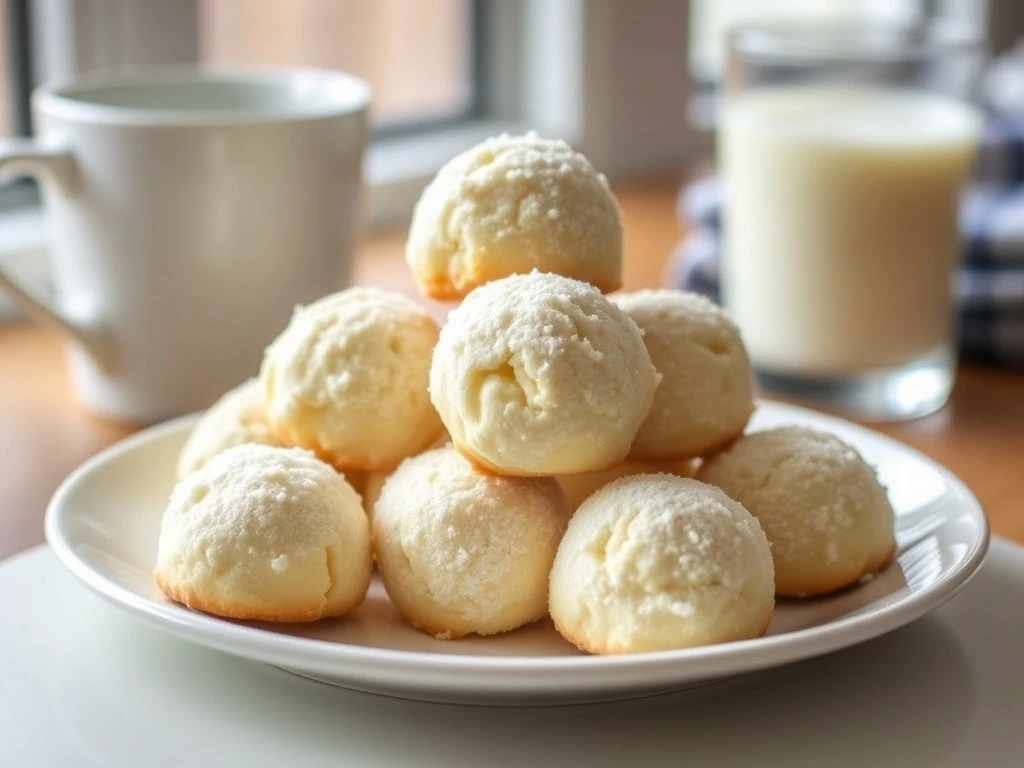
- Chilled whole milk to complement the buttery flavor
- Warm spiced chai tea for a comforting pairing
- Vanilla ice cream for an indulgent dessert
🍷 Drink Pairings:
Pair with a sweet dessert wine like Sauternes or a dark chocolate stout beer.
Make-Ahead Instructions & Storage
Make-Ahead Tips
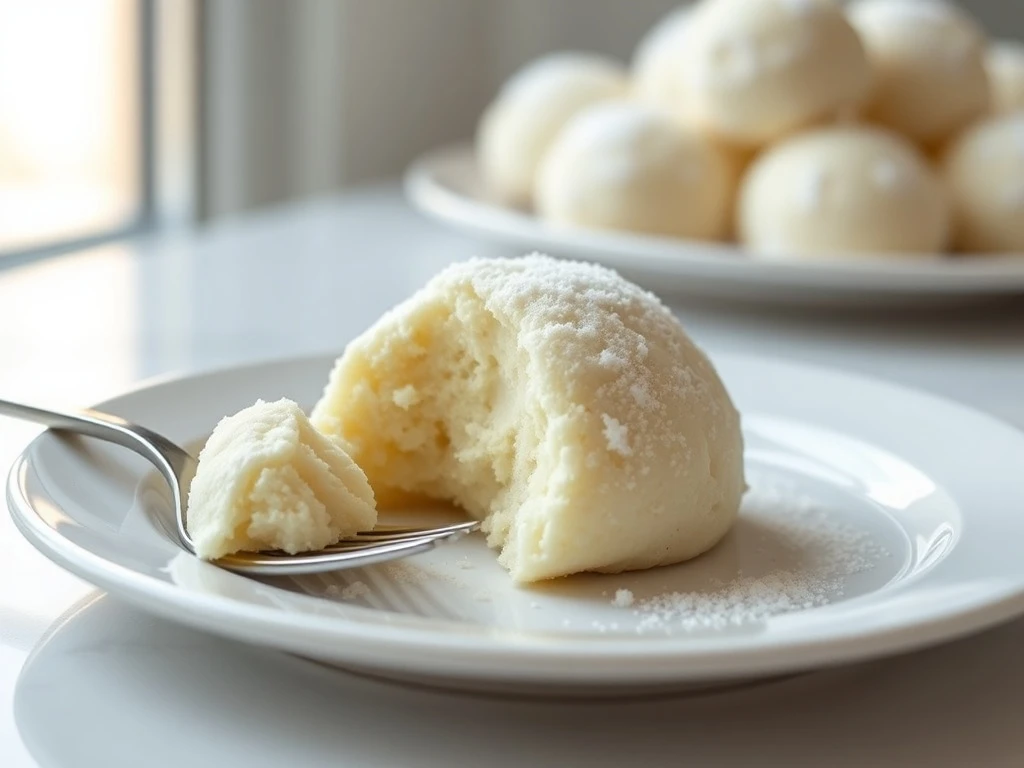
Bake cookies up to 3 days in advance. Store in airtight containers with parchment paper between layers.
Freezer Storage
Freeze baked cookies in single layers for up to 3 months. Thaw at room temperature before serving.
Reheating Instructions
Warm cookies in a 250°F oven for 5 minutes to restore freshness. Avoid microwave reheating which dries out cookies.
Troubleshooting & Common Questions
Q: Why are my cookies still hard after following the recipe?
A: Check your oven temperature with a thermometer. An oven running too hot can overbake cookies quickly. Also ensure you're using room-temperature butter and not overmixing the dough.
Q: How do I prevent cookies from spreading too much?
A: Chill the dough for at least 1 hour before baking. Chilled dough resists spreading and maintains its shape.
Q: Can I make these cookies gluten-free?
A: Use a 1:1 gluten-free flour blend with xanthan gum. You may need to reduce baking time by 1-2 minutes as gluten-free flours absorb moisture differently.
Q: How to fix over-baked cookies?
A: Place cookies in a microwave-safe bowl with a damp paper towel. Microwave for 10-15 seconds to restore moisture. For a dramatic fix, store in an airtight container with a slice of white bread overnight.
Final Thoughts
Mastering the art of soft snowball cookies is about understanding the delicate balance of ingredients and timing. By following these expert tips, you'll consistently produce tender, melt-in-your-mouth cookies that avoid the common pitfall of becoming hard.
Remember to chill your dough, watch your baking time closely, and don't be afraid to revive slightly over-baked cookies with a quick steam burst. These techniques will transform your baking and ensure your snowball cookies remain a beloved treat at any gathering.