
The ultimate holiday roast for a showstopping Christmas dinner
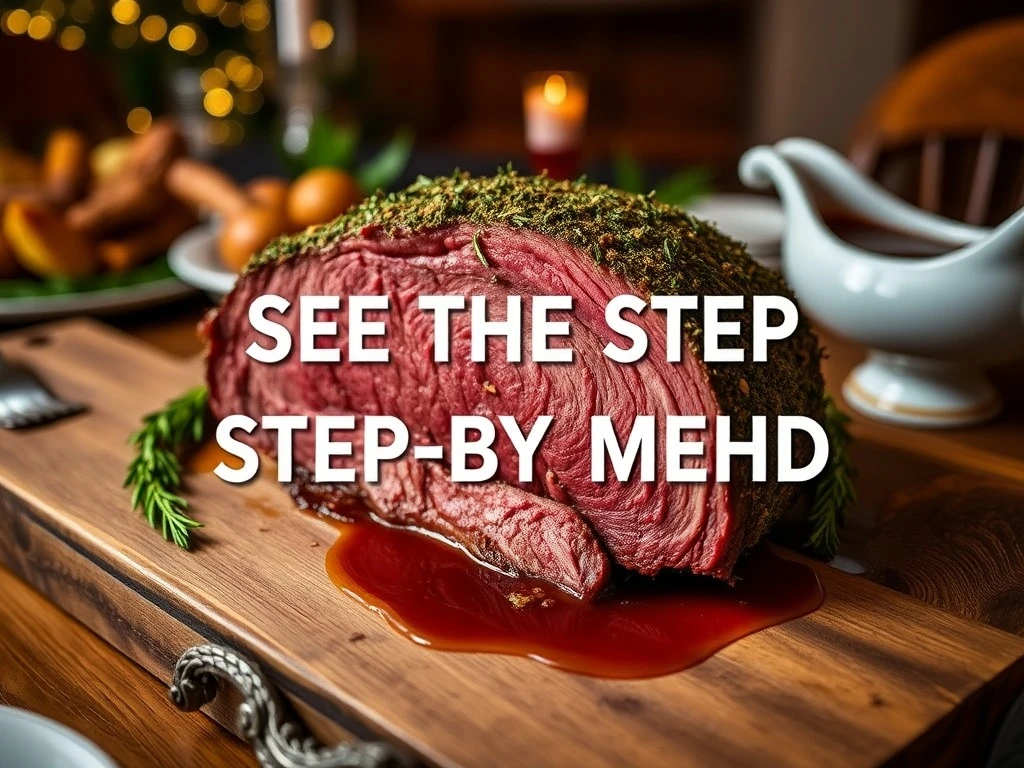
This prime rib roast is the centerpiece of any holiday feast. With a perfect pink interior and savory herb crust, it's guaranteed to impress.
Ready to tackle the ultimate Christmas dinner centerpiece? This step-by-step guide to the perfect prime rib roast will give you the confidence to achieve a flawless result. We'll walk you through everything from selecting the cut to the final carve, ensuring a juicy, medium-rare interior and a delicious, herb-crusted exterior. Includes a simple, rich au jus recipe.
This is the showstopper recipe that will make your holiday dinner unforgettable. Impress your family and create a lasting memory with this classic, restaurant-quality roast.
Whether you're a first-time prime rib cook or a seasoned pro, our detailed instructions and pro tips will guide you to restaurant-worthy results every time.
From selecting the right cut to mastering the perfect resting time, this guide covers everything you need to know to create a holiday masterpiece.
Why This Recipe Works
⏰ Perfect Timing
Our step-by-step timing guide ensures you achieve the ideal medium-rare doneness every time. The reverse sear method gives you a precise 130°F core temperature.
💰 Cost-Effective
While prime rib is a special occasion cut, our recipe maximizes flavor while minimizing waste. The au jus is made from the roast's own juices for zero-waste cooking.
👥 Easy Sharing
Serves 8-10 people with leftovers for sandwiches. The herb crust adds visual appeal for photo-worthy holiday plating.
🌟 Restaurant Quality
Professional techniques like dry-brining and reverse searing are simplified for home cooks. The result? A restaurant-quality roast you can make at home.
Ingredient Notes & Substitutions
Prime Rib Roast
Choose a bone-in roast for better flavor and moisture. Look for USDA Prime grade for best marbling.
Substitutions: Boneless roast works too, but cooking time may vary.
Herb Butter
Fresh herbs are ideal, but you can use 1 tbsp dried thyme and rosemary as a substitute.
Substitutions: Try garlic butter or Dijon mustard for different flavor profiles.
Au Jus
Beef broth is traditional, but you can use red wine or mushroom broth for variation.
Substitutions: Add Worcestershire sauce for extra umami.
Salt
Kosher salt is preferred for even brining. Avoid iodized table salt.
Substitutions: Sea salt or pink Himalayan salt work well too.
Pro Tips for Perfect Prime Rib
🔥 Temperature Control
Use a digital meat thermometer for precise doneness. For medium-rare, aim for 130°F internal temperature.
📏 Slicing Technique
Slice against the grain for maximum tenderness. Use a long, sharp carving knife.
🧂 Brining Secrets
Dry brining for 24-48 hours enhances flavor and moisture. Avoid over-brining which can make meat salty.
❄️ Resting Time
Rest for at least 20 minutes to allow juices to redistribute. Tent with foil to keep warm.
Variations & Customizations
Herb Crust
Mix rosemary, thyme, and garlic into the herb butter for a more complex crust.
Smoked Flavor
Add a few drops of liquid smoke to the herb butter for a smoky twist.
Asian-Inspired
Replace herbs with soy sauce, ginger, and sesame oil for an Asian-inspired crust.
Glazed Version
Brush the roast with a honey-mustard glaze during the last 10 minutes of roasting.
Serving Suggestions & Pairings
🍽️ Best Served With:
- Roasted potatoes with rosemary
- Cranberry sauce
- Gravy made from roast juices
- Green beans with shallot vinaigrette
🍷 Drink Pairings:
Pair with a bold red wine like Cabernet Sauvignon or a rich port. For non-alcoholic options, try a spiced chai tea.
Make-Ahead Instructions & Storage
Make-Ahead Tips
You can dry-brine the roast up to 48 hours in advance. The herb butter can be prepared and refrigerated for up to 24 hours.
Refrigerator Storage
Store leftover roast in an airtight container for up to 3 days. The au jus can be refrigerated for 5 days.
Freezer Storage
Freeze cooked roast for up to 3 months. Thaw in refrigerator overnight before reheating.
Reheating Instructions
Reheat in a 275°F oven with a bit of broth until warmed through. Avoid microwaving to preserve texture.
Troubleshooting & Common Questions
Q: My roast is overcooked!
A: Use a meat thermometer next time. The reverse sear method gives better control over doneness.
Q: Can I cook without a thermometer?
A: Yes, but it's much harder to get perfect doneness. The press test can help: medium-rare should feel like the fleshy part of your thumb when touching the base of your thumb.
Q: How to handle a tough roast?
A: Make sure you're slicing against the grain. For very tough cuts, consider using a slow cooker method instead.
Q: What if I don't have a bone-in roast?
A: Boneless roasts is fine but will cook faster. Reduce cooking time by about 20-30 minutes.
Final Thoughts
This prime rib roast is more than just a holiday dish - it's a culinary achievement that will impress any guest. With our step-by-step guidance, you'll master the art of dry brining, reverse searing, and creating a perfect herb crust.
Remember to plan ahead with the dry brine, trust your thermometer, and give the roast proper resting time. The result will be a tender, juicy roast with a flavorful crust that's worth every minute of preparation.